Reading Red (1/4)
Lacquer Red: Materiality, Memory, and Genealogy
by Chau Nguyen
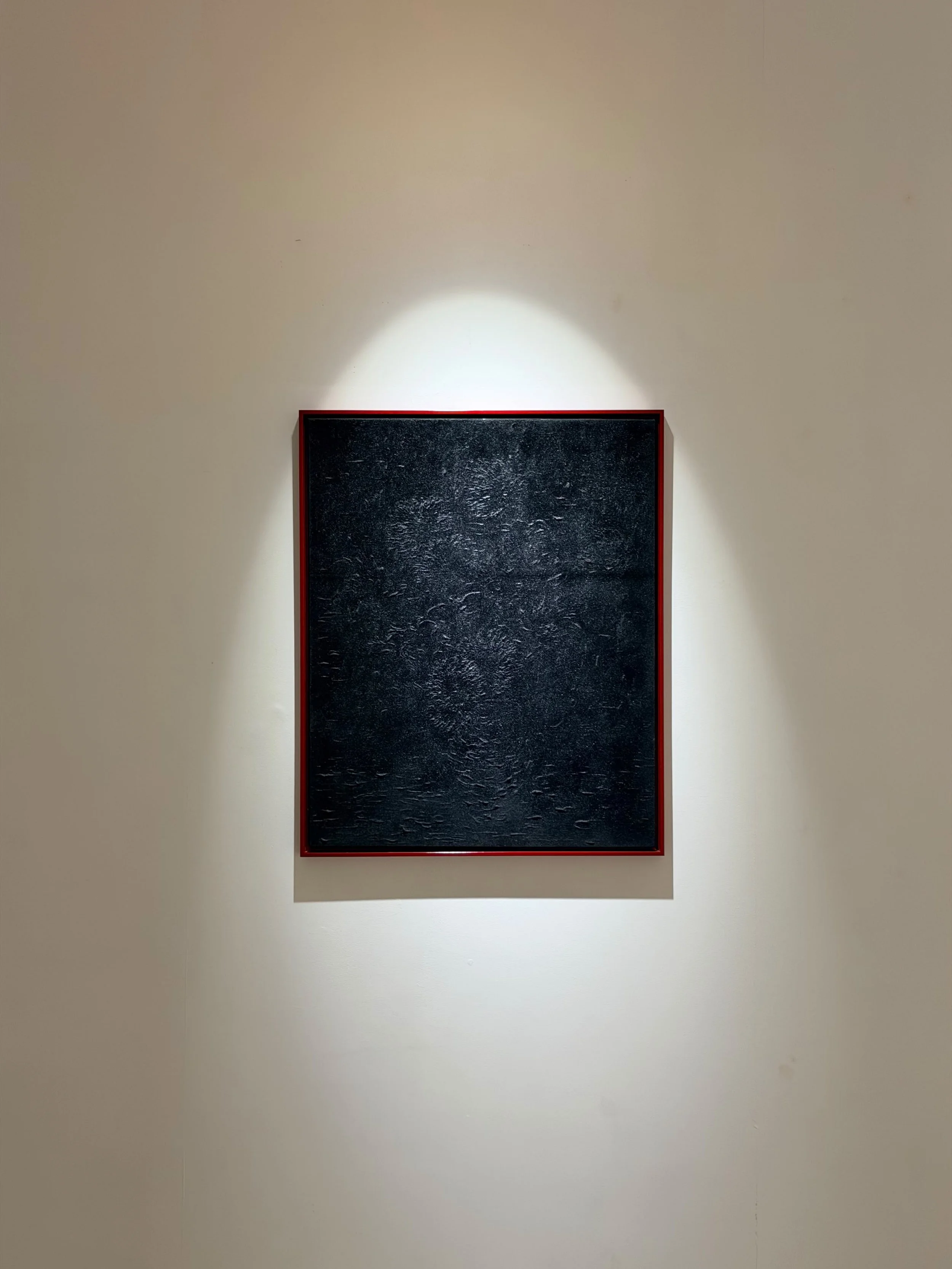
Untitled #2 (Sunflowers) by Chau Nguyen. Image courtesy of the artist.
Lacquer red might as well be a myth. I found myself in a diasporic relationship with the color: The peculiar intimacy produced by distance, in which the homeland becomes less a place than an accumulation of images, sensations, and memories. Diasporic artists frequently develop a quasi-obsessive relationship with the locations from which they have been separated, attempting to retrieve through objects and images what geography has rendered unstable. For nearly two years, I sifted through page after page of lacquerware catalogues, commercial archives, photographs, and digital reproductions, trying to locate the red that I remembered.
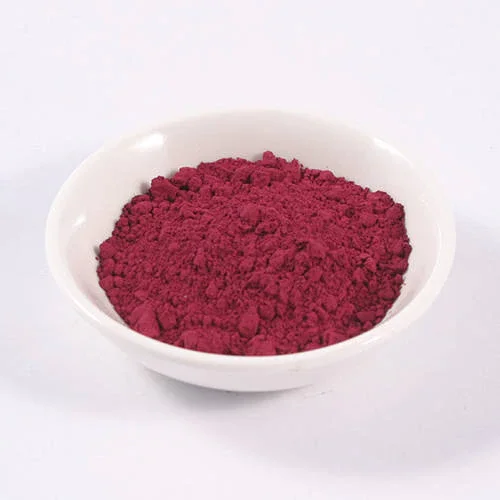
French Red Lacquer pigment with a blue undertone. Image courtesy of RGM Italy.
Yet the more I looked, the more elusive the color became. Screens transformed it; cameras translated it; and copious reproduction methods continuously displaced it from itself. Even Pantone’s Red Lacquer seemed estranged from my memory: Its cool, blue-based register bearing little resemblance to the warmer red I associate with Vietnamese lacquer, a red closer to cinnabar, blood, embers, or the polished interior of an old cabinet.
Perhaps lacquer red was never a color so much as a constellation of colors. Under the conditions of the global supply chain, lacquerware has proliferated into innumerable shades, each adjusted to local preferences, tourist economies, manufacturing processes, and the demands of an international market. Even the word lacquer carries different cultural histories: in the West, it more readily evokes automobiles, furniture, industrial coatings, and cosmetics, while the adoption and imitation of lacquer within Western material culture cannot always be separated from histories of imperial exchange.
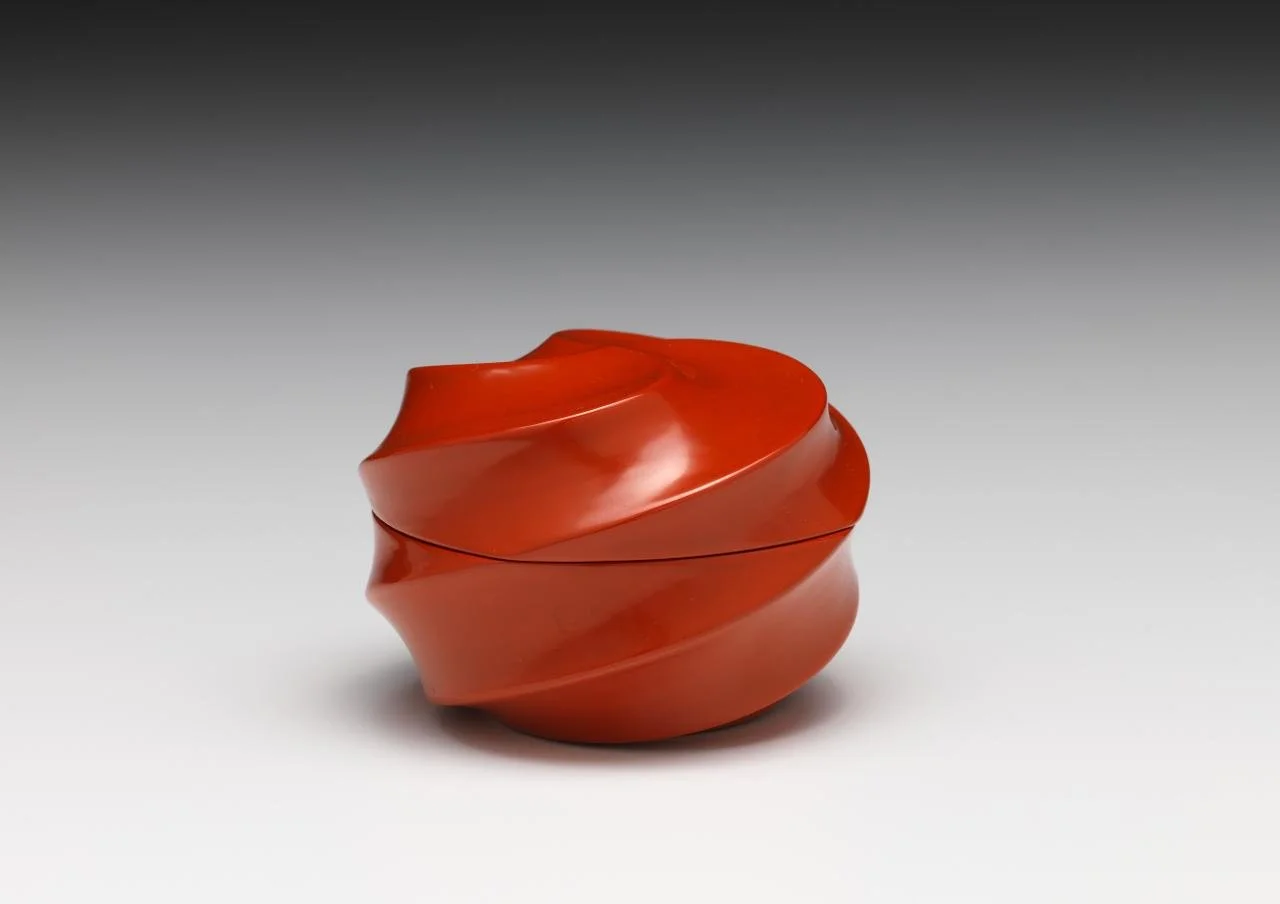
Tea caddy (Natsume 棗) by Tatsuaki KURODA. Image courtesy of the National Gallery of Victoria, Melbourne.
Lacquer is not merely a surface. It is a material process with a human cost. I encountered numerous accounts of Vietnamese artists and artisans who developed severe allergic reactions to lacquer-tree sap and the chemicals used in its preparation. Some became bedridden; others died prematurely. The brilliance of the material is therefore inseparable from its toxicity. Red itself carries this contradiction. Cadmium red, prized for its extraordinary saturation, is toxic. Reds used in cosmetics have likewise carried histories of chemical risk. A 2015 New York Times article chronicling the life of nail salon workers noted, “certain cosmetic color additives — particularly a type of brilliant red — have been shown by researchers to cause such skin discoloration” (Nir, 2015). And yet red persists, culturally and commercially, as one of the most commanding colors: The red of the Orient, of vermilion and ceremony, of lacquer polished to an almost impossible sheen. Its gloss promises permanence; its saturation promises certainty.
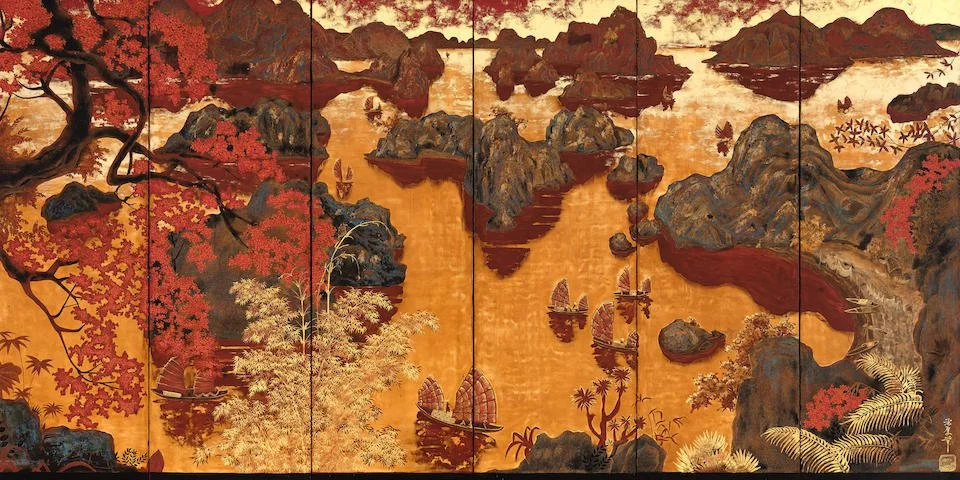
Hoàng Hôn Vàng Trên Vịnh Hạ Long (Golden Sunset Over Ha Long Bay) by Pham Hau (1903 - 1995). Image courtesy of Bonhams Auction House.
The color proves that beauty can be sealed against time. However, lacquer red is precisely where preservation becomes impossible. What I was searching for was not a stable color but an unstable memory: a red continually remade by migration, commerce, technology, colonial history, and desire. Throughout all these iterations, lacquer red remains dominant: The color of the Orient, a mysterious vermilion red, with a finish sheen that suggests durability, perfection, and the fantasy of permanence.
References
Nir, Sarah Maslin. “Perfect Nails, Poisoned Workers.” The New York Times, 8 May 2015.